Pneumonia
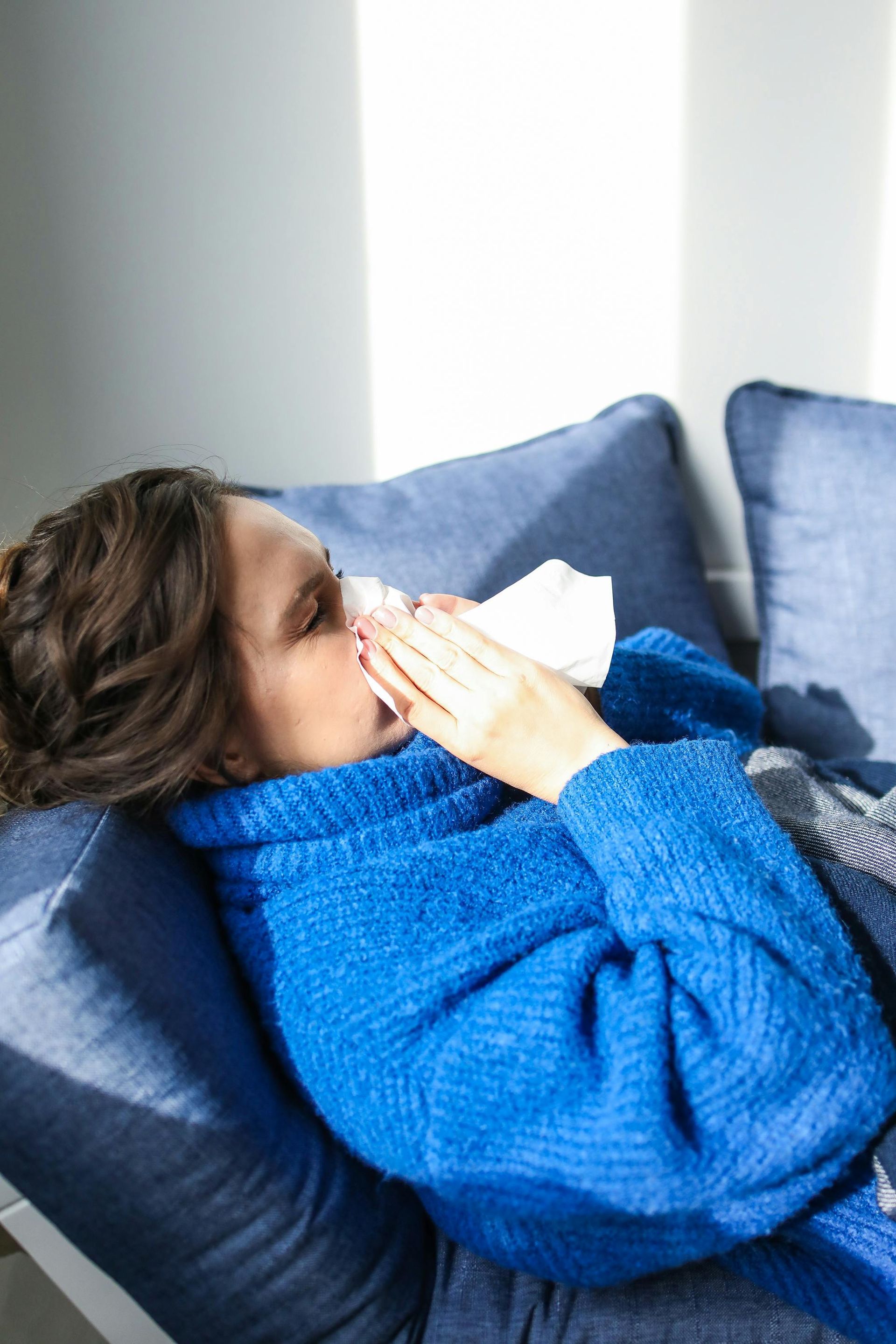
Pneumonia is a frequent respiratory infection seen in children. It can start like a viral respiratory infection with cough, congestion and runny nose then progresses to fever, worsening cough, fatigue, decrease appetite, and shortness of breath. Symptoms and signs of penumonia may be subtle particulary in infants and young children.
The combination of fever and cough is suggestive of pneumonia. The longer fever, cough and other respiratory symptoms are present, the greater the likelyhood of pneumonia. Certain children with weakened immune system or chronic lung conditions such as cystic fibrosis, asthma or cancer may be more likely to develop pneumonia. Episodes of pneumonia are more frequent during fall, winter and spring seasons, when viral and bacterial infections occur more often and children spend more time indoors in contact with each other facilitating the spread of respiratory infections from person to person.
Diagnosis
The diangosis of pneumonia can be made by clinical history and examination, some times your pediatrician may need to order a chest x-ray to assess the location and extension of the infection.
Treatment
If the cause of your child pneumoia is a virus, there is no specific treatment besides resting and fever control. Because it is difficult to differentiate if the penumonia is due to a virus or a bacteria, an antibiotic may be prescribed by your pediatrician. It should be taken for as many days as recommended to assure the full resolution of symptoms. The cough can linger for few weeks. Cough suppressants are not recommended for
children with pneumonia. since the cough is a reflex mechanism to clear the secretions caused by the infection.
Prevention
Your child can be vaccinated against pneumococcal infection, a bacterial cause of pneumonia. The American Academy of Pediatrics recomends that all infants and children receive this vaccine starting at 2 through 59 months of age. It is called pneumococcal conjugated vaccine or PCV 20. Talk to your pediatrician if you child did not receive this vaccine.
Anoher pneumococcal vaccine (PPSV23) is recommended for older children (2 through 18 years of age) with chronic medical problems that increase the risk of developing an invasive pneumococcal infection.These children should receive a single dose of PPSV23 at least 8 weeks after the most recent dose of PCV13. A second dose of PPSV23 is recommended 5 years after the first dose, no more than a total of 2 PPSV23 doses should be administered before 65 years of age.
Customized from What's Going Around Ar Article v0.1 7/8/2025